Riding to work and play without emissions has become increasingly important as people look for sustainable and efficient ways to get around. Electric bicycles, or e-bikes, are revolutionizing urban and suburban transportation by offering a clean, green alternative to traditional gas-powered vehicles. These cutting-edge e-bikes combine the convenience of a bicycle with the power of an electric motor, allowing riders to travel longer distances with less effort while completely eliminating harmful emissions. With concerns about climate change and air pollution growing worldwide, electric bicycles present a practical solution that benefits both the environment and personal health. One of the most significant advantages of electric bicycles is their ability to reduce the carbon footprint associated with daily commuting and recreational activities. Unlike cars or motorcycles that rely on fossil fuels, e-bikes run on rechargeable batteries, which means zero tailpipe emissions. This makes them an excellent choice for environmentally conscious individuals who want to contribute to cleaner air and reduced greenhouse gases.
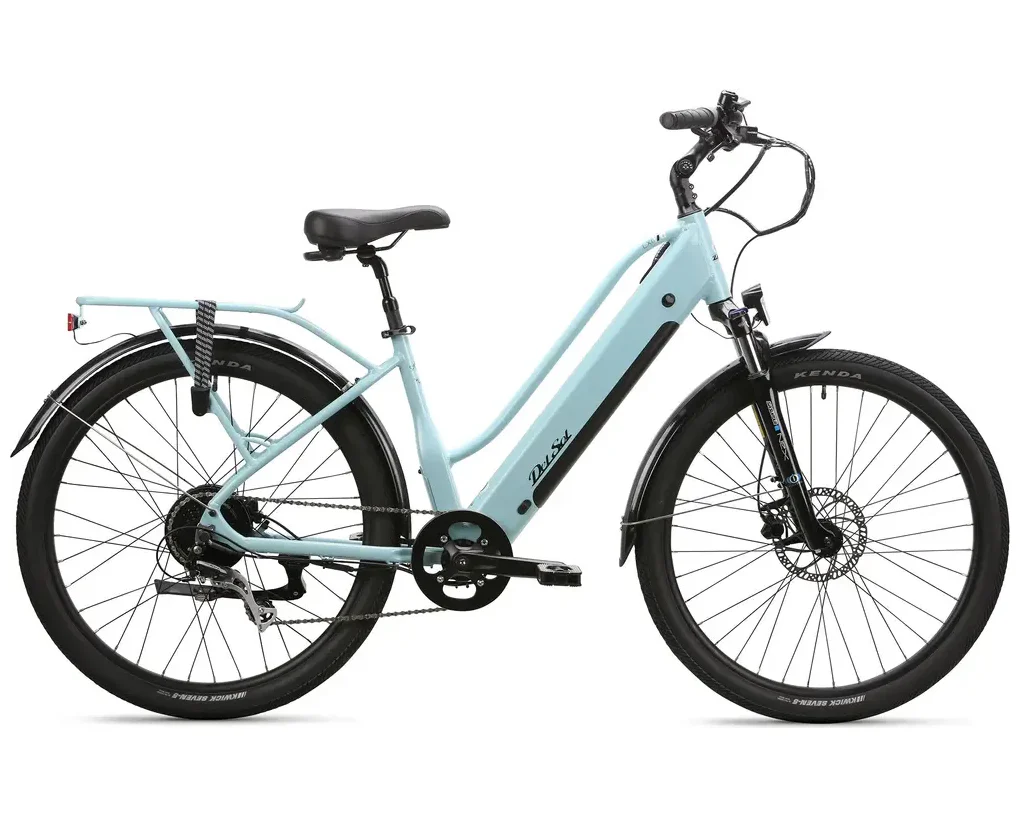
Additionally, because electric bicycles are quieter than motor vehicles, they help decrease noise pollution in cities, making urban environments more pleasant and livable. Electric bicycles also offer a level of flexibility and convenience that traditional bicycles may lack. The electric motor provides pedal assistance, which means riders can tackle hills and longer distances without becoming overly fatigued. This feature opens up cycling to a broader range of people, including those who might be older, less fit, or recovering from injury. Commuting by e-bike can save time compared to public transportation and avoid the frustrations of traffic congestion, parking hassles, and fuel costs. Many e-bikes are designed to be lightweight and foldable, making them easy to store at home or the office and ideal for mixed-mode commuting that includes trains or buses. Furthermore, electric bicycles encourage a healthier lifestyle by promoting regular physical activity without the strain that might deter some individuals from cycling. Even with the electric boost, riders still engage in exercise, which helps improve cardiovascular health, boost mood, and increase overall fitness.
The technology behind electric bicycles continues to advance rapidly, making them more efficient, affordable, and user-friendly. Battery life and charging times have improved significantly, allowing riders to travel 40 to 70 miles or more on a single charge. Regenerative braking systems, smart sensors, and mobile app connectivity enhance the riding experience by providing real-time feedback and improving safety. As more cities invest in cycling infrastructure such as bike lanes and secure parking, electric bicycles are becoming an integral part of sustainable urban mobility plans. In conclusion, cutting-edge electric bicycles offer a practical and environmentally friendly way to ride to work and play without emissions. They combine the benefits of traditional cycling with modern technology to create an accessible, efficient, and enjoyable transportation option. By choosing e-bikes, individuals can reduce their carbon footprint, improve their health, save money, and contribute to cleaner, quieter, and healthier communities.