In recent years, communication technology has evolved rapidly, becoming an integral part of modern business environments. One of the most notable advancements is the rise of intercom systems, which have revolutionized how organizations communicate internally. Intercom innovations drive convenience in contemporary business environments by providing faster, more efficient ways to stay connected, whether in offices, warehouses, or customer service departments. These systems are no longer limited to simple voice communication; they now incorporate video, advanced integrations with other technologies, and enhanced security features, making them essential tools for businesses across various industries. The key to the success of intercom systems lies in their ability to streamline communication. In a fast-paced business environment, real-time communication is crucial. Traditional communication methods, such as emails or physical memos, can cause delays and sometimes result in miscommunication. Intercom systems eliminate these hurdles by allowing instant messaging between different departments or individuals, ensuring that messages are delivered without delay.
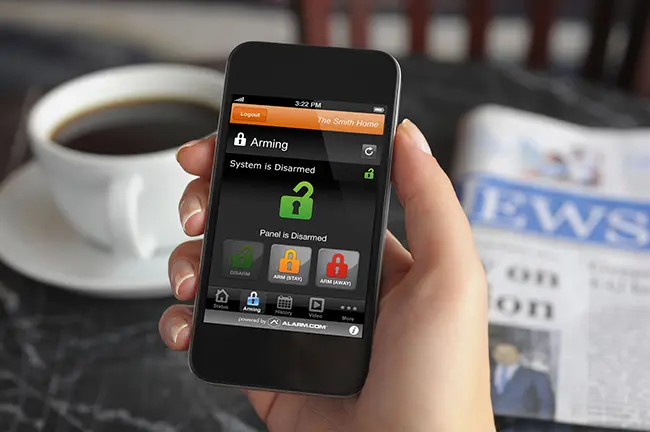
Security and access control are other areas where intercom systems have made a significant impact. Modern intercom systems are designed to integrate with security networks, providing businesses with the ability to monitor entry points, control access to restricted areas, and verify the identity of visitors or employees. This added level of security not only protects the business but also ensures that sensitive information and areas are well-guarded. Moreover, some intercom systems come equipped with facial recognition or advanced voice authentication features, offering businesses even more control over who enters their premises. This integration of communication and security technology ensures a safer and more efficient working environment. Intercom innovations also support flexibility and scalability. In the past, businesses were often restricted by the limitations of traditional systems, which required physical installations and constant maintenance. However, modern intercom solutions, especially those that leverage cloud-based technology, allow businesses to scale their communication infrastructure without needing extensive hardware upgrades. Companies can now easily add or remove devices, adjust user permissions, and manage communication settings through intuitive software interfaces.
Furthermore, intercom systems contribute to a more organized and structured workflow. In environments where efficiency is paramount, such as call centers or manufacturing facilities, intercoms enable rapid communication across different sectors of the business. Employees can use intercoms to alert their colleagues of important updates or emergencies without leaving their posts. This not only increases productivity but also fosters a more collaborative working environment. As businesses continue to embrace technological advancements, the role of intercom systems as a crucial element of daily operations will undoubtedly become even more pronounced. In conclusion, intercom innovations drive convenience in contemporary business environments by enhancing communication, improving security, offering scalability, and boosting productivity. These advancements are more than just a technological upgrade they are a vital component of the modern business infrastructure and look at this site https://thebossmagazine.com/intercom-systems-modern-businesses/. As organizations continue to evolve and face new challenges, the role of intercom systems in facilitating smooth, efficient, and secure operations will remain indispensable.